Table of Contents (15 sections)
What Are Smart Shops?
Smart shops represent an evolution in the retail experience, integrating advanced technology to enhance shopping efficiency and customer engagement. Defined broadly, these are retail establishments that leverage modern technology, such as artificial intelligence, augmented reality, and the Internet of Things (IoT), to provide personalized experiences tailored to individual consumers. According to Gartner, 75% of retail businesses will invest in smart technology by 2026, aiming to meet growing consumer expectations for seamless service.
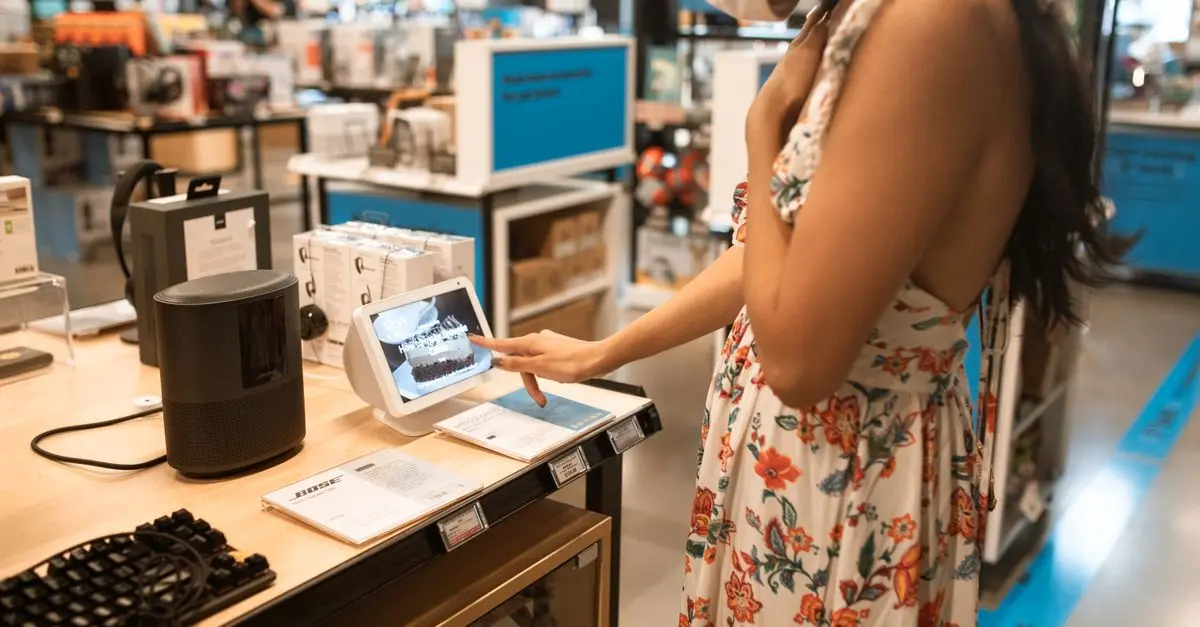
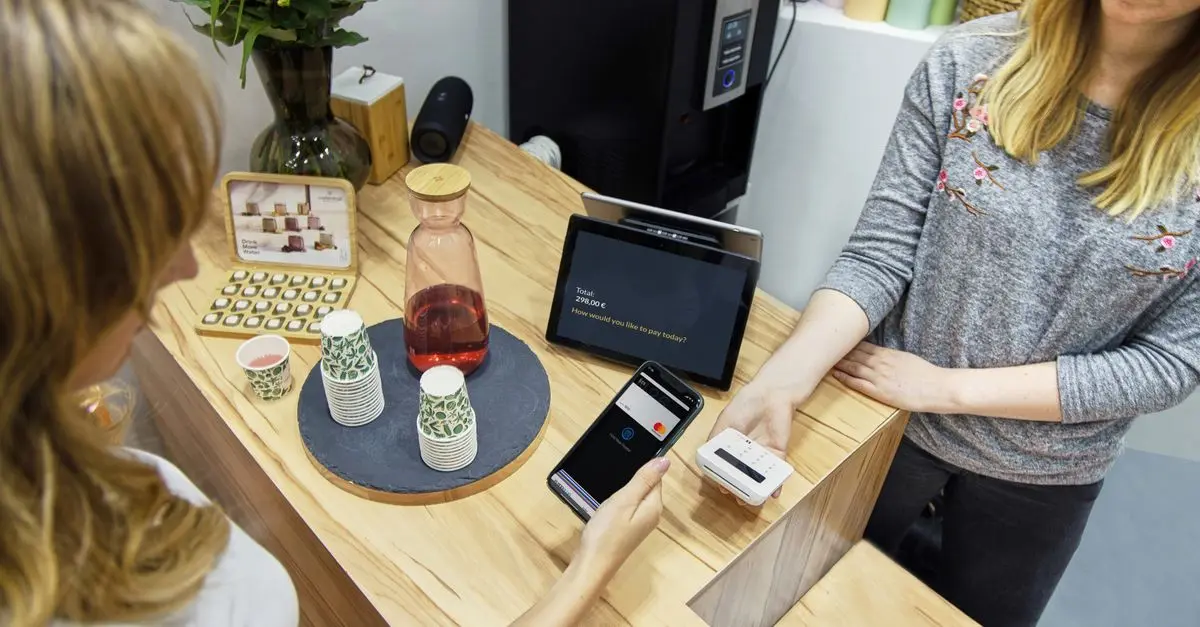
This shift began as consumers demanded more than just products; they craved experiences. Smart shops cater to this need by offering interactive display screens, mobile apps for easy navigation, and even AI-enhanced shopping assistants. For example, the Amazon Go stores have pioneered the cashless shopping experience, allowing customers to enter, grab items, and simply walk out without traditional checkout processes. This integration of technology not only enhances convenience but also significantly decreases checkout times, making shopping more appealing to busy consumers.
How Smart Shops Enhance Consumer Experience
One of the critical aspects of smart shops is their focus on elevating the overall consumer experience. Retailers adopt various strategies, including using augmented reality (AR) to showcase products in unique ways. For instance, customers can visualize furniture in their homes through AR applications before making purchases. This capability not only satisfies consumer curiosity but also helps reduce return rates, as customers are more confident in their buying decisions.
Moreover, personalized shopping experiences facilitated by AI technologies have revolutionized consumer habits. Algorithms analyze purchasing history and preferences, providing tailored recommendations directly to users. In a recent survey by Forrester, 61% of consumers expressed a desire for retailers to personalize experiences through targeted marketing efforts.
Smart shops also encourage customer feedback through interactive kiosks, where shoppers can easily submit their opinions about products or store environments. This immediate feedback loop allows businesses to rapidly adapt to customer needs, further enhancing loyalty and satisfaction. By prioritizing consumer engagement, smart shops create a welcoming environment that fosters brand loyalty.


WHALL - 2 Slice Toaster, Toasters 2 slice, Smart Bread Toaster, Touchscreen Toaster wide slots - Stainless Steel
bestbuy.com
Licensed Character Boys 6-20 Back To The Future 35th Retro Stripe DeLorean Graphic Tee, Boy's, - Black - Size: Medium
kohls.com
The Role of Technology in Smart Shops
In 2026, smart shops will increasingly rely on cutting-edge technologies that redefine retail standards. Artificial intelligence, machine learning, and data analytics form the backbone of this transformation. Predictive analytics, for example, enables retailers to forecast trends based on consumer data, optimizing inventory and ensuring that the right products are available at the right time.
Additionally, facial recognition technology is emerging as a popular tool in smart shops to enhance security and personalize shopping experiences. By identifying returning customers, stores can offer tailored greetings and personalized discounts, which significantly improve the shopping experience. A Statista report suggests that the use of such technologies can boost retention rates by over 25%.
Mobile integrations, like shopping apps that utilize geolocation features, guide customers directly to preferred products within the store, making the shopping experience smoother and more intuitive. As smart shops evolve, expect even more advancements in automation and AI, further enhancing retail efficiency and overall customer satisfaction.
Sustainability and Smart Shops
As the retail industry shifts toward more sustainable practices, smart shops are at the forefront of this revolution. More consumers are demanding eco-friendly options, and retailers are responding by implementing sustainable practices within their operations. This includes using energy-efficient technologies, sustainable materials for store design, and product offerings that prioritize environmental concerns.
According to a Nielsen report, 73% of millennials are willing to pay more for sustainable products. Smart shops are capitalizing on this trend by providing an array of sustainable brands and products, thereby aligning their inventory with the values of today’s conscientious consumers. Lessons from companies like Patagonia, known for its commitment to environmental responsibility, demonstrate the potential market grows through sustainability.
In addition, smart technology aids in reducing waste—advanced inventory management systems predict demand, minimizing overproduction. Implementing energy-efficient lighting and HVAC systems further helps lower the carbon footprint of physical stores, advancing the goals of sustainability while enhancing the store's image.
Future Predictions for Smart Shops
Looking ahead, the evolution of smart shops will continue to accelerate, especially post-2026. With the pace of technological advancement, some key trends are likely to emerge. For instance, the rise of hyper-personalization will shift from algorithms suggesting products to stores recognizing individual customer behaviors, creating highly tailored shopping experiences.
Moreover, the integration of blockchain technology may increase transparency and trust in supply chains. This will allow consumers to track product origins and environmental impacts directly, contributing to ethical shopping choices. Additionally, as IoT devices become more prevalent, the ability to gather real-time data will empower retailers to respond quickly to consumer trends and behaviors, ultimately shaping tailored campaigns that resonate well with shoppers.
The intersection of these trends suggests that smart shops will not just be about leveraging technology but about creating a customer-centric philosophy that values the experience above all else.
Common Misconceptions About Smart Shops
Despite the benefits and advancements, several misconceptions about smart shops persist. One of the most common views is that technology will replace human interaction in the retail sector. In reality, smart shops strive to foster a harmonious blend of technology and personal service. While technology streamlines processes, human employees play a crucial role in delivering exceptional customer service and support.
Additionally, some believe that smart shops are only beneficial to large retailers. However, the tools and technologies enabling smart shopping experiences are becoming increasingly accessible to smaller businesses. Solutions like affordable mobile apps and data analytics platforms allow businesses of any size to compete in this landscape. Adaptability and innovation will become common traits among retailers, regardless of their size.
What is a smart shop?
A smart shop is a retail space that utilizes advanced technologies to enhance the shopping experience, such as AI, AR, and IoT.
How do smart shops improve customer experience?
These shops provide personalized recommendations, fast checkout processes, and engaging interactions through technology.
Are smart shops sustainable?
Many smart shops implement eco-friendly practices, utilizing technology to reduce waste and promote sustainable products.
What technologies are driving smart shops?
Key technologies include AI, machine learning, mobile GIS, and facial recognition, which optimize various aspects of the shopping experience.
Plus Size Women's Roy Winter Beige Satchel by FUTURE BRANDS GROUP LLC in Black (Size ONE SIZE)
eloquii.com

M·A·C COSMETICS MAC - Connect In Colour Eye Shadow Palette: Future Flame
maccosmetics.com

Glossary
| Terme | Définition |
|---|---|
| Smart Shop | Un magasin qui utilise des technologies avancées pour améliorer l'expérience client et optimiser les opérations. |
| Hyper-Personnalisation | Personnalisation extrême des expériences utilisateurs en utilisant des données limitées pour chaque consommateur. |
| Blockchain | Technologie de stockage et de transmission d’informations sécurisée sans organe de contrôle, utilisée pour garantir la transparence dans les chaînes d’approvisionnement. |
Checklist Before Shopping at Smart Shops
- [ ] Look for personalized shopping experiences.
- [ ] Check if the store uses sustainable practices.
- [ ] Explore the use of technology for enhanced convenience.
- [ ] Compare offerings with traditional stores.
- [ ] Review customer feedback before visiting.
📺 For Further Exploration: The Future of Retail with Smart Technology, an in-depth look at trends shaping smart shops. Search on YouTube: "future of smart shops in retail".
📺 Pour aller plus loin : the future of smart shops in retail sur YouTube
Recommended products
Selected by our experts


Shiseido Future Solution LX Total Protective Cream SPF 30 - Refill (50 ml)
shiseido.com

Shiseido Future Solution LX Legendary Enmei Ultimate Luminance Serum - 30 ml
shiseido.com

Shiseido Future Solution LX Legendary Enmei Ultimate Brilliance Eye Cream - 15 ml
shiseido.com