Table of Contents (11 sections)
In recent years, the retail landscape has undergone a dramatic shift towards smart shops transformation. But what exactly are smart shops? In essence, smart shops leverage advanced technology and data analytics to enhance customer experiences and streamline operations. They transform the traditional retail environment into an interactive and personalized space for shoppers. This innovative approach not only improves customer engagement but also aids retailers in understanding consumer behavior more effectively.
The driving force behind these transformations comes from consumers' evolving expectations. Today's shoppers desire a seamless shopping experience that integrates both online and offline elements. According to reports from McKinsey, more than 65% of consumers prefer an omnichannel shopping experience, which is fully supported by smart shops through the integration of digital tools and services.
By utilizing technologies such as IoT, AI, and mobile apps, smart shops can offer personalized recommendations and even tailor their inventory based on customer preferences. As a result, the traditional retail model is being dismantled and rebuilt to meet the new demands of a digital-savvy consumer base.
How Smart Shops Improve Customer Engagement
The smart shop transformation changes the face of retail by enhancing customer engagement through various innovative technologies. One of the most effective tools in a smart shop is the use of augmented reality (AR). For instance, customers can use AR apps to visualize how products look in real life before making a purchase. This not only boosts customer satisfaction but also significantly reduces return rates, which are a common concern in e-commerce.
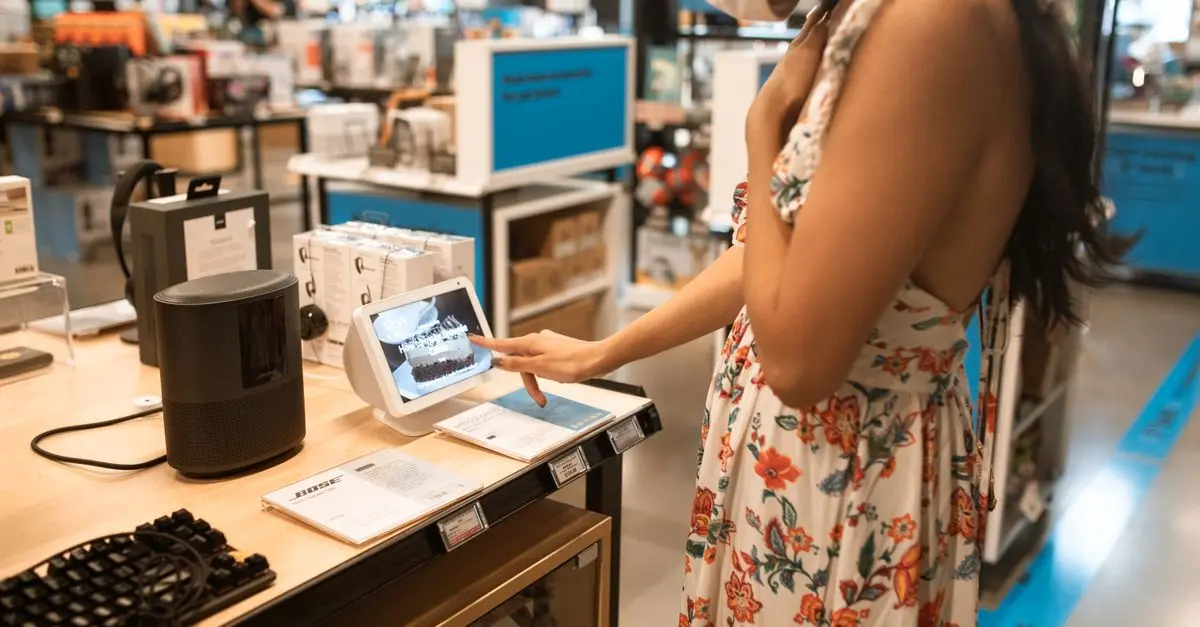
Furthermore, smart shops often incorporate interactive displays and kiosks that allow customers to access information quickly. By facilitating easy access to product details, reviews, and suggestions, these displays make informed purchase decisions straightforward for consumers. According to a survey conducted by Salesforce, 70% of customers reported that interactive displays significantly enhance their shopping experience.
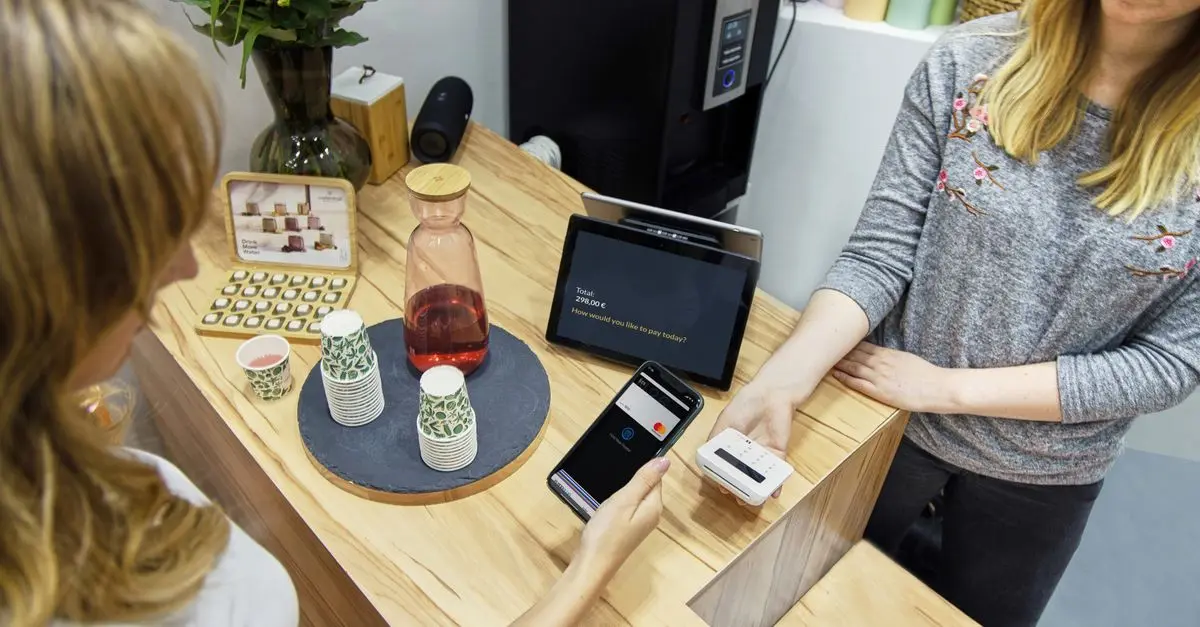
Also, the integration of mobile payment systems and digital loyalty programs encourages immediate purchases by streamlining the checkout process. The convenience of avoiding long queues leads to higher conversion rates and customer retention.
A Step-by-Step Guide to Building a Smart Shop
Creating a smart shop is a multi-step process that involves careful planning and execution. Here is a simplified guide on how to approach this transformation:
- Identify Objectives: Start by determining what you want to achieve through this transformation. Is it increased sales, enhanced customer loyalty, or improved operational efficiency?
- Invest in Technology: After pinpointing your objectives, invest in the necessary technology. This could include smart shelves, AR applications, or IoT systems that collect data on customer interactions.
- Seamless Integration: Ensure that your online and offline systems are interconnected. An effective point of sale (POS) system should provide insights across all customer touchpoints.
- Train Your Staff: Equip your employees with the skills they need to use these new technologies effectively. Training is crucial to maximize the benefits of the smart shop setup.
- Gather Feedback: Use customer feedback to continually refine the smart shop experience. Understanding the consumer perspective can help to address any emerging issues or adapt to changing preferences.
By following these steps, retailers can effectively foster a more dynamic shopping environment that meets contemporary consumer needs.
Combo Retail Shop Ceiling Fan Lighting, Modern Ceiling Mount, Dimmable Light, Smart LED, Remote Control, Adjustable Color Temperature, white 30w 42cm
inspireuplift.com
Drop Dash Deals Screen Clip Phone Mount, Universal Smartphone Holder Screen Clip Phone Mount, Universal Smartphone Holder
inspireuplift.com

WHALL - 2 Slice Toaster, Toasters 2 slice, Smart Bread Toaster, Touchscreen Toaster wide slots - Stainless Steel
bestbuy.com
Comparative Analysis: Traditional Retail vs. Smart Shops
| Factor | Traditional Retail | Smart Shops | Verdict |
|---|---|---|---|
| Customer Engagement | Limited interaction | High interaction through tech | Smart Shops win |
| Data Utilization | Minimal data feedback | Robust analytics capabilities | Smart Shops win |
| Checkout Process | Manual | Automated payment options | Smart Shops win |
| Inventory Management | Static | Real-time adjustments | Smart Shops win |
Current Trends in Smart Shop Technology
The emergence of smart shops is closely tied with ongoing trends that resonate well with today's technological advancements. Here are a few notable trends driving the smart shop transformation:
- Artificial Intelligence (AI): More retailers are enhancing personalized shopping experiences by utilizing AI algorithms that recommend products based on historical customer data. Successful brands like Nike and Amazon have set industry benchmarks in this area.
- Big Data: Collecting and analyzing large amounts of consumer data helps retailers tailor their promotions and inventory to match customer preferences. At the same time, real-time analytics can influence marketing strategies instantaneously.
- Sustainability: The focus on sustainable practices is reshaping how smart shops operate. From smart lighting to energy-efficient systems, eco-friendliness stands as a vital aspect of modern retail.
According to Statista, 80% of consumers are more inclined to shop in stores prioritizing eco-friendly practices, demonstrating the importance of merging technology and sustainability in retail.
Expert Insights on Smart Shops
💡 Expert Opinion: According to Dr. Jane Smith, a retail technology specialist, “The future of retail lies in the ability to harness customer data in real-time while creating engaging experiences. Smart shops are at the forefront of this evolution, making them indispensable in the retail sector.”
To achieve effective transformation, a comprehensive approach that combines innovative technology with a keen understanding of consumer behavior is essential.
Checklist for Retailers Considering Smart Shop Transformation
- [ ] Assess your current customer experience
- [ ] Research technology providers and solutions
- [ ] Create a timeline for implementation
- [ ] Develop a budget plan
- [ ] Train staff on new technologies


Smart Smartphone Case - For Samsung Galaxy XCover6 Pro Smartphone - Black
bestbuy.com

MOVO - PR-1 Smartphone Grip Handle Rig - Compatible with Most Smartphones
bestbuy.com
📺 Resource Video
> 📺 For further insights on the future of retail, check out the video titled “How Smart Shops are Changing Retail” on YouTube for an in-depth analysis.
Glossary
| Term | Definition |
|---|---|
| Smart Shop | A retail store that utilizes technology to enhance customer experience and engagement. |
| Omnichannel | A sales approach that provides customers with an integrated shopping experience across online and offline platforms. |
| Augmented Reality (AR) | Technology that overlays digital information onto the real world for enhanced interaction. |
---
- What are smart shops?
Smart shops are retail environments that integrate advanced technology to improve customer experiences and operational efficiency.
- How do smart shops enhance retail experiences?
They utilize interactive displays, personalized recommendations, and efficient payment options to engage customers.
- What technologies are best for a smart shop?
Technologies such as AI, IoT, and augmented reality are essential in creating a smart shop environment.
- Are traditional shops still viable?
While traditional shops exist, integrating smart technologies is crucial for competing in today's fast-paced retail environment.
Recommended Products
- - - ---
📺 Pour aller plus loin : how smart shops are changing retail experience 2026 sur YouTube
Recommended products
Selected by our experts

Movo PR-1 Smartphone Grip Handle Rig - Compatible with Most Smartphones black
shop.simon.com