Table of Contents (17 sections)
In the evolving landscape of retail, customer data in smart shops plays a pivotal role. This data, which encompasses various metrics from purchasing trends to customer preferences, can be the difference between thriving and merely surviving in today’s competitive environment. Understanding how to harness this information is critical for smart shops aiming to elevate their services and enhance the overall customer experience.
What is Customer Data?
Customer data refers to the information collected about customers, including demographics, purchase histories, preferences, and behavior patterns. According to a report by Gartner, nearly 90% of organizations view customer insights as essential for business growth. Smart shops can tap into this pool of information to anticipate customer needs, streamline inventory management, and personalize marketing strategies. The effective utilization of customer data can lead to greater customer satisfaction and loyalty, ultimately resulting in increased sales.
Understanding how to collect and analyze this data is fundamental to making informed business decisions. This data can be collected from various sources, including sales transactions, customer feedback, social media interactions, and website analytics. Smart shops that implement robust data analytics platforms can gain actionable insights and drive their business strategies effectively.
Steps to Leverage Customer Data in Smart Shops
To successfully harness customer data in smart shops, you can follow these steps:
- Data Collection: Start by implementing systems to collect data from various touchpoints—be it in-store or online. Tools like customer relationship management (CRM) systems are essential for integrating data and understanding customer journeys.
- Data Analysis: Utilize data analytics tools to transform raw data into actionable insights. This includes identifying buying patterns and customer preferences.
- Personalization: Use the insights gained to tailor marketing efforts. For instance, if data shows a preference for a specific category of products, targeted promotions can be created around these items.
- Feedback Loop: Regularly collect feedback on customer experience to refine your strategies. Understanding what customers appreciate or what may need improvement can enhance loyalty.
- Continuous Learning: Lastly, it’s crucial to stay updated on market trends and technological advancements that can further enhance your data strategy.
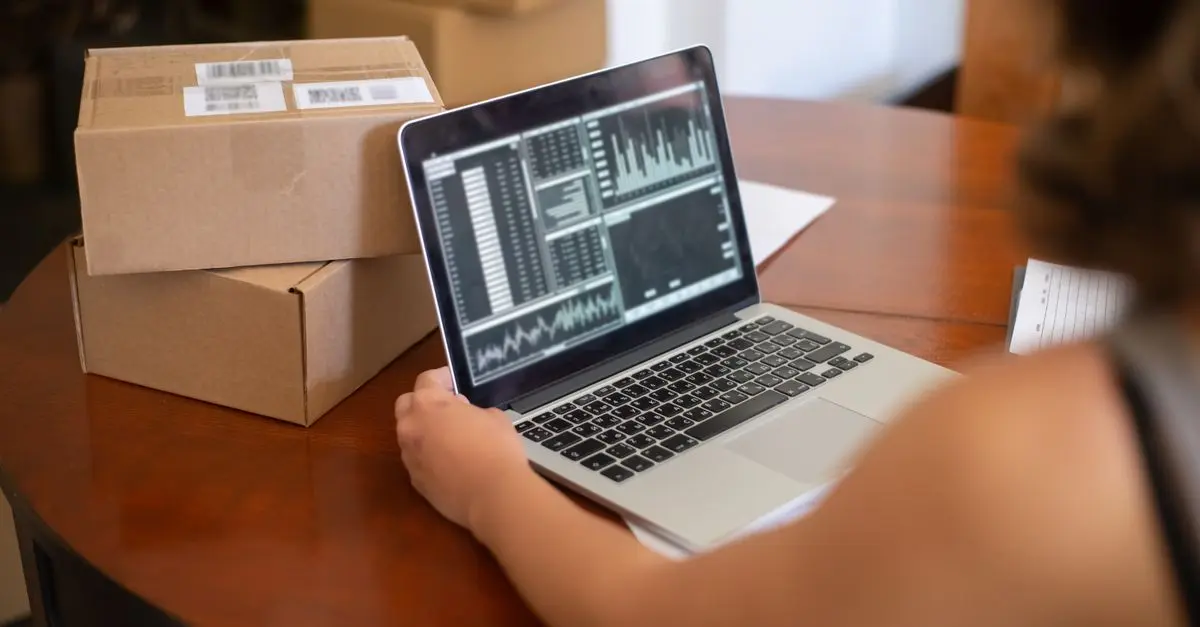
Implementing these steps requires dedication and the right technology. Incorporating reliable data visualization tools can make complex data more understandable, allowing shop owners to make data-driven decisions swiftly.
Drop Dash Deals Screen Clip Phone Mount, Universal Smartphone Holder Screen Clip Phone Mount, Universal Smartphone Holder
inspireuplift.com

WHALL - 2 Slice Toaster, Toasters 2 slice, Smart Bread Toaster, Touchscreen Toaster wide slots - Stainless Steel
bestbuy.com

Comparative Analysis of Data Tools
When it comes to choosing data analysis tools, it’s essential to compare their features and effectiveness. Below is a comparison of three popular tools used in smart shops:
| Tool | Feature Set | Pricing | User Experience |
|---|---|---|---|
| Tool A | Real-time analytics, integrations | $$ | High |
| Tool B | Predictive analytics, customer segmentation | $$ | Moderate |
| Tool C | Basic reporting, limited analytics | $ | Low |
Verdict: While Tool A may be pricier, its comprehensive features and ease of use make it a worthy investment for smart shops looking to leverage customer data effectively.
The Impact of Data-Driven Marketing
Data-driven marketing is a transformative approach. According to Salesforce, companies that utilize customer data effectively can increase their marketing ROI by 20%. By leveraging customer data, smart shops can personalize communication, leading to higher engagement and conversion rates. For example, sending personalized emails that cater to individual preferences can drastically improve open and click-through rates.
Moreover, customer segmentation enables smart shops to target niche markets more effectively, tailoring products and messaging to meet specific needs. As consumer behavior continues to evolve, staying ahead of the curve with data-driven strategies becomes increasingly crucial. Shops that fail to adopt such practices risk lagging behind their competitors.
Expert Opinion on Customer Data Utilization
> 💡 Expert Insight: Marketing experts emphasize the importance of integrating technology and human insights. Understanding customer data comprehensively can significantly enhance the shopping experience and create lasting connections. It's not just about accumulating data but transforming it into meaningful interactions that resonate with customers.
How to Protect Customer Data
As smart shops increasingly rely on customer data, protecting that data becomes a top priority. Here are some guidelines:
- Data Encryption: Ensure that customer data is encrypted during transmission and storage to protect against breaches.
- Regular Audits: Conduct regular security audits to identify vulnerabilities in your data management systems.
- Implement Access Controls: Limit access to sensitive data to only those employees who need it for their roles.
- Educate Staff: Regularly train employees on data protection best practices and the significance of safeguarding customer information.
Protecting customer data not only fosters trust but also ensures compliance with regulations, such as the General Data Protection Regulation (GDPR), which mandates strict guidelines on data handling.
What types of customer data should smart shops collect?
Smart shops should consider collecting demographic data, purchase history, preferences, and feedback to create a comprehensive customer profile.
How can customer data improve customer experience?
By leveraging customer data, smart shops can personalize interactions, streamline services, and anticipate customer needs, resulting in enhanced satisfaction.
Is data privacy a concern for smart shops?
Yes, protecting customer data and complying with regulations is crucial for maintaining customer trust and avoiding potential legal issues.
What tools are best for analyzing customer data?
Tools like CRM systems, data analytics platforms, and customer feedback software are excellent for analyzing and interpreting customer data.

Smart Smartphone Case - For Samsung Galaxy XCover6 Pro Smartphone - Black
bestbuy.com

MOVO - PR-1 Smartphone Grip Handle Rig - Compatible with Most Smartphones
bestbuy.com

Movo PR-1 Smartphone Grip Handle Rig - Compatible with Most Smartphones black
shop.simon.com
Checklist for Utilizing Customer Data in Smart Shops
- [ ] Start data collection across all touchpoints
- [ ] Invest in a robust data analytics tool
- [ ] Segment customer data for targeted marketing
- [ ] Ensure compliance with data privacy laws
- [ ] Regularly seek customer feedback for continuous improvement
- [ ] Train staff on data usage and protection
Glossary
| Term | Definition |
|---|---|
| Customer Data | Information regarding customers that can include demographics and behavior patterns. |
| Data Analytics | The process of examining raw data to draw conclusions and insights. |
| CRM | Customer Relationship Management system used to manage a company's interactions with current and potential customers. |
📺 Resource Video
Explore comprehensive tips on utilizing customer data effectively in the retail industry. Search on YouTube: "leveraging customer data in retail 2026".
Recommended Products
- - - ## Conclusion
In 2026, smart shops that leverage customer data will have a competitive edge in creating personalized experiences and driving sales. By embracing data analytics, understanding privacy concerns, and continuously adapting strategies, these shops can not only survive but thrive in the modern retail landscape.
To discover suitable products for enhancing your smart shop, we have selected several products below.
📺 Pour aller plus loin : leveraging customer data in retail 2026 sur YouTube
Recommended products
Selected by our experts