Table of Contents (16 sections)
In today’s digital economy, optimizing customer experience has become paramount, especially in the evolving landscape of smart shops. These technologically advanced retail environments utilize automation and artificial intelligence to enhance customer interactions. By focusing on optimizing customer experience, smart shop owners can foster loyalty, drive sales, and stand out in a competitive market.
1. Understand Your Target Audience
Knowing your customers for impactful service
To effectively optimize customer experience, start by understanding your target audience. Conduct surveys and market research to gather insights into your customers' preferences, behaviors, and pain points. For instance, a smart shop that specializes in home automation might cater primarily to tech-savvy millennials who prioritize ease of use and convenience.
Utilize tools such as Google Analytics and social media insights to track customer behavior in your store. Understanding the demographics, interests, and shopping patterns of your audience will allow you to tailor your offerings and marketing strategies effectively. For example, can you imagine a store that promotes specific smart home devices during the holiday season tailored to families, versus a tech enthusiast showcasing the latest gadgets? Ultimately, knowing who your customers are enables you to provide a more personalized and relevant shopping experience.
2. Leverage Technology for Optimization
Integrating smart solutions
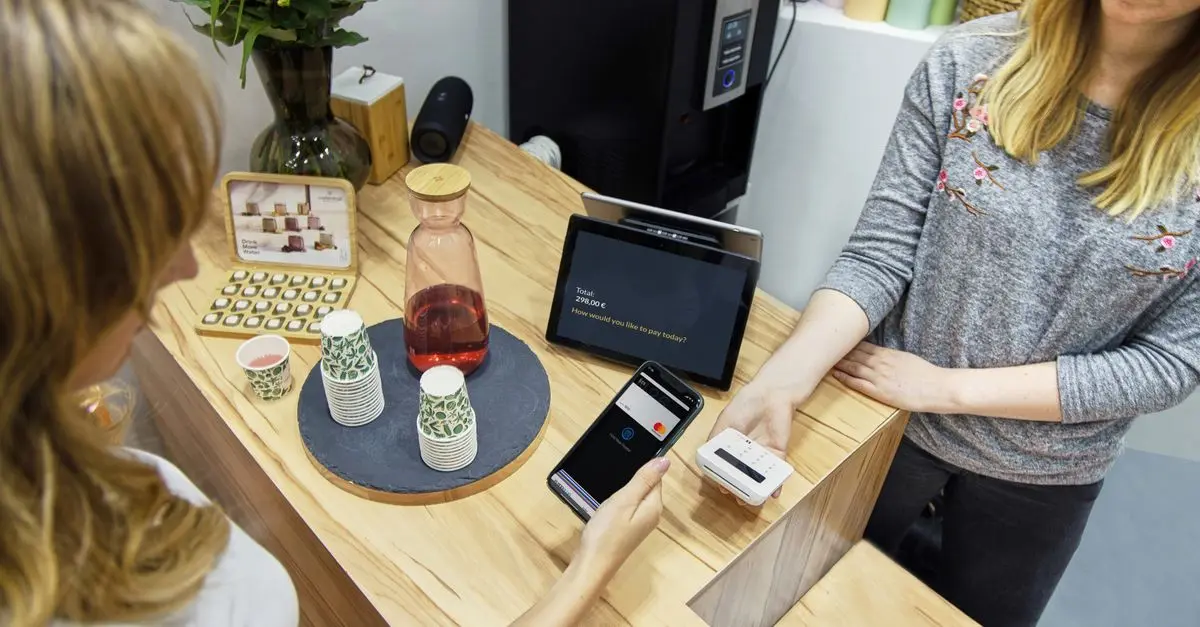
To truly optimize customer experience, it's essential to leverage technology. Smart shops can implement interactive kiosks and mobile applications that provide customers with product information, tutorials, and instant customer support. For example, a smart shop could use augmented reality (AR) to help customers visualize how a smart bulb would look in their home.
Moreover, consider utilizing chatbots for 24/7 customer service, enhancing both accessibility and engagement. Data from Gartner suggests that by 2026, over 75% of customer interactions will utilize emerging technologies like AI and chatbots. Integrating these technologies can reduce wait times and improve customer satisfaction, as customers can get instant responses to their queries.
Pro Tip: Train your staff on new technologies
In addition to implementing technology, ensure that your staff is trained to assist customers with these tools. This creates a seamless experience where both customers and employees benefit from the technological enhancements in the shop.
3. Create a Personalized Experience
Enhancing connections with customers
Offering personalized experiences helps customers feel valued and understood. Use the data gathered about customers to tailor recommendations. For instance, if a customer purchases a smart thermostat, follow up with an email suggesting compatible smart devices or offering exclusive discounts on related products.
Implementing loyalty programs can also enhance customer experience by rewarding repeat business. Organizations that excel in personalization can see revenue increases of up to 10% according to a study by McKinsey.
Common Pitfall: Avoid over-targeting
While personalizing, avoid crossing boundaries that may lead customers to feel uncomfortable. Personal touches should enhance the shopping experience without being intrusive or overly aggressive.
4. Optimize the In-Store Layout
Creating an engaging physical space
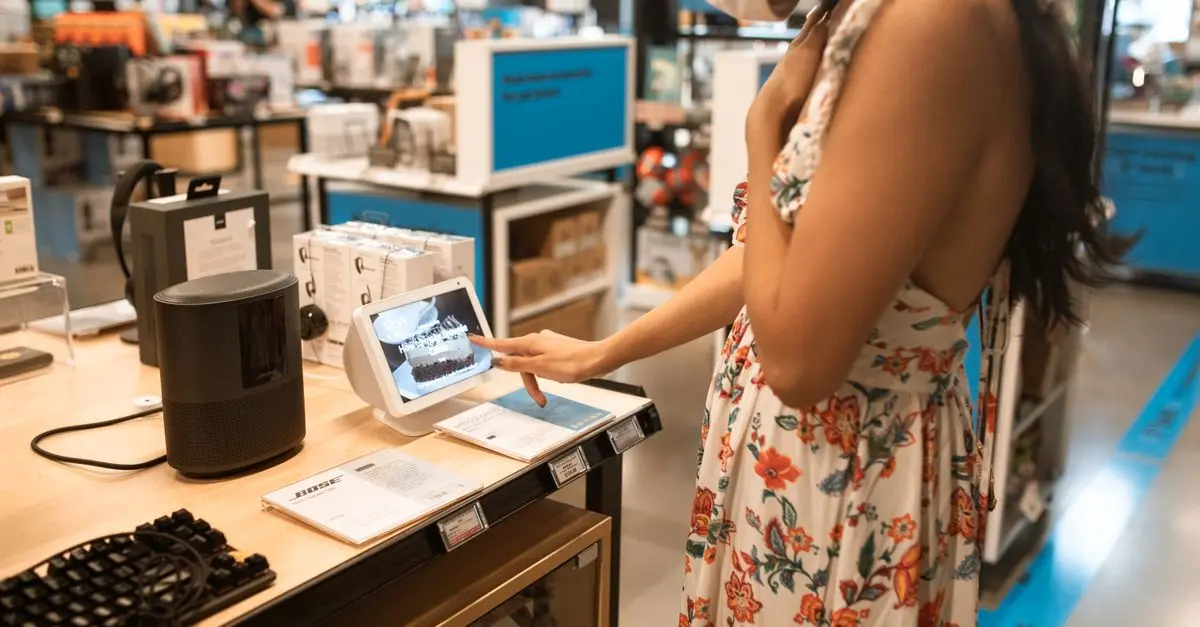
The layout of your smart shop plays a pivotal role in customer experience. Consider creating designated zones for different product categories, allowing customers to navigate with ease. Include interactive displays where customers can test smart devices or see them in action.
According to Retail Dive, an efficient layout can increase sales by 20% or more. Map out customer journeys through your store and adjust layouts to minimize congestion points. Ensure optimal product placement, allowing for easy access to popular or seasonal items.
Checklist for in-store optimization
- Create clearly designated areas for each product type.
- Use signage that is easy to read and informs about product features.
- Allow for ample space to navigate and explore products comfortably.
5. Gather Feedback and Adjust Strategies
Continuous improvement through customer insights
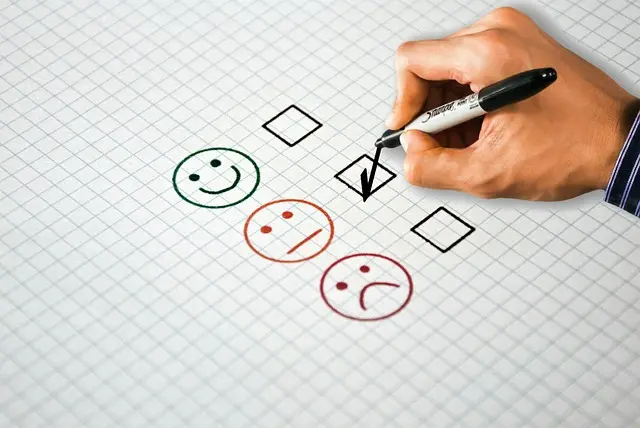
After implementing your optimization strategies, continuously gather feedback. Use surveys, comment cards, or digital feedback tools to understand customer satisfaction levels. According to Invesp, 70% of customers mention that they would prefer to share feedback if they're asked. This feedback not only shows customers that you value their opinion but can also provide insights into areas needing improvement.
Additionally, monitor reviews online to identify common themes. A smart shop may discover that customers frequently mention long wait times at checkout; this is a signal to increase staffing or incorporate self-checkout options.
Actionable Tip: Implement regular reviews of customer feedback data to stay updated on customer preferences and trends that may shape your offerings.
📺 Resource Video
> 📺 For further exploration: *