Table of Contents (14 sections)
Sustainability in smart shops is no longer just a buzzword; it has become a fundamental principle shaping the future of retail. With consumers becoming increasingly aware of their environmental footprint, businesses are compelled to adopt eco-friendly practices. Integrating sustainability into smart shops enhances customer loyalty and meets growing consumer expectations for responsible retailing.
In 2026, statistics show that more than 75% of consumers consider sustainability when making purchase decisions. As smart shops leverage advanced technology like IoT and AI to enhance operational efficiency, this also presents an opportunity to implement sustainable practices seamlessly. Consumers are looking for shops that prioritize sustainability, and retailers are responding by adopting green initiatives.
Trends Shaping Sustainability in Smart Shops
1. Eco-Friendly Supply Chains
Eco-friendly supply chains rank high among trends in 2026. Companies are re-evaluating their sourcing methods, aiming to reduce environmental impacts. For instance, brands are opting for locally sourced products to minimize transportation emissions and support local economies. Unilever has reported a significant reduction in carbon emissions by sourcing materials sustainably, decreasing emissions by approximately 30% in recent years. As a result, consumers are more inclined to purchase products from brands that transparently showcase their eco-friendly practices. This trend is not just about being responsible but also about tapping into a lucrative market that values sustainability. Retailers that embrace eco-friendly supply chains can position themselves as leaders in this fast-evolving market.
2. Energy Efficiency and Smart Technology
The adoption of smart technologies in retail spaces fosters energy efficiency, a vital component of sustainability in smart shops. Intelligent lighting and climate control systems help reduce energy consumption significantly. According to an analysis by McKinsey, energy-efficient systems can lower operational costs by 30%. Smart thermostats and automated lighting systems can optimize energy usage, contributing to both sustainability and cost-effectiveness. By investing in energy-efficient technologies, smart shops not only appeal to eco-conscious consumers but also enhance their bottom line, creating a win-win scenario.
3. Circular Economy Practices
Circular economy practices are gaining traction in the retail sector as companies strive to reduce waste and extend product lifecycles. Smart shops are adopting strategies to promote recycling, repairing, and reusing products. Brands like IKEA and Patagonia are leading by example, encouraging customers to return used products for recycling or upcycling. A study by Accenture indicates that businesses adopting circular economy models see a revenue increase of 10-15% annually. The shift towards a circular economy not only helps reduce landfill waste but also fosters a loyal customer base committed to sustainability. As consumers expect smart shops to take responsibility for their products even at the end of their lifecycle, embracing this trend is essential for future success.
4. Consumer Education and Engagement
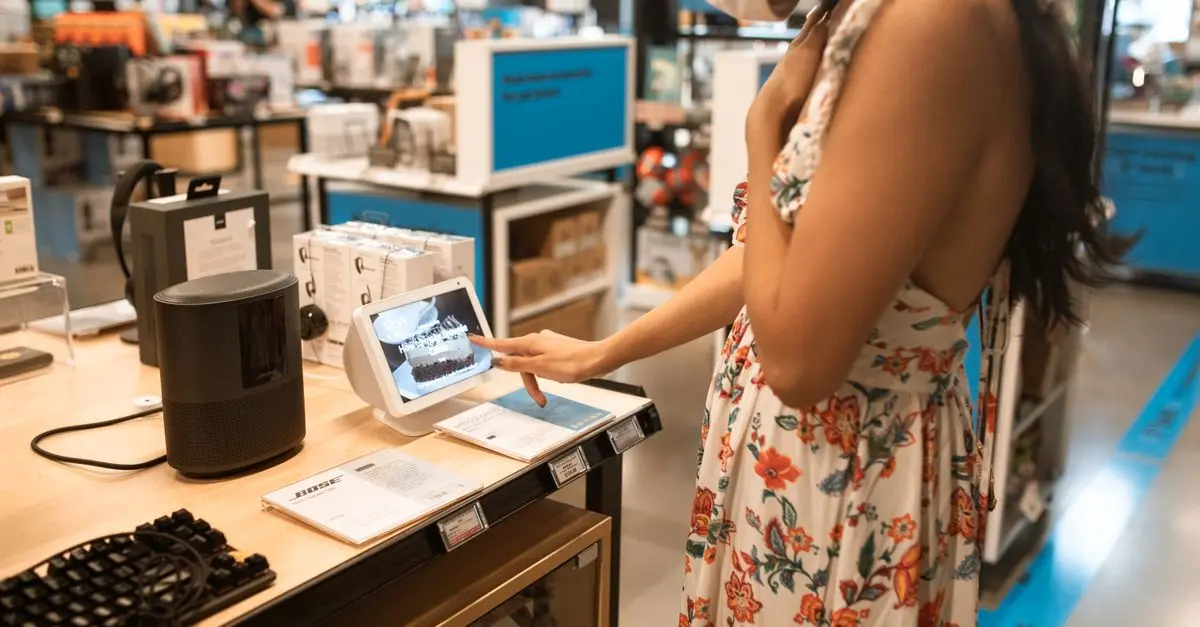
In 2026, consumer education surrounding sustainability has become paramount. Smart shops are increasingly engaging customers by providing information on sustainable practices and eco-friendly products. Retailers implement programs that educate staff and customers alike about sustainability initiatives. For example, using interactive displays that highlight the benefits of sustainable products can significantly enhance consumer engagement. According to Nielsen, companies that adopt consumer education programs see a sales increase of up to 20% in sustainable product categories. This trend not only builds trust with consumers but also empowers them to make informed purchasing decisions, further reinforcing the importance of sustainability in smart shops.
5. Sustainable Packaging Solutions
Packaging plays a pivotal role in retail sustainability, and smart shops in 2026 are converting to eco-friendly packaging solutions. The demand for biodegradable, recyclable, and reusable packaging materials is surging. Brands that switch to sustainable packaging experience significant consumer preference. Coca-Cola reports that 50% of consumers favor brands using sustainable packaging options. Retailers are not only looking to improve their packaging but are also focusing on reducing packaging waste. Innovations such as edible packaging and refillable containers are gaining popularity. This trend not only aligns with the sustainability goals of smart shops but also addresses consumer concerns regarding waste, making it a critical area for development.
6. Transparency and Accountability
Transparency in business practices fosters trust, particularly in the realm of sustainability. Smart shops are leaning towards ensuring that their sustainability claims are verifiable and communicated clearly to consumers. According to IBM, 77% of consumers prefer brands that share their sustainability progress and outcomes. Retailers can achieve transparency through environmental impact reports, certifications, and third-party audits. By embracing this trend, smart shops reinforce their commitment to sustainability and build stronger relationships with consumers who value honesty and integrity. Providing clear, accessible information about sustainable practices can enhance brand loyalty and customer retention.
📺 For further exploration:
[The Role of Artificial Intelligence in Promoting Sustainable Practices in Retail], an insightful discussion on leveraging technology for a sustainable future in retail. Search on YouTube: "AI in sustainable retail 2026."


Glossary
| Terme | Définition |
|---|---|
| Smart Shops | Retail spaces that utilize technology for enhanced operations and customer experiences. |
| Circular Economy | An economic model focused on minimizing waste and making the most of resources. |
| Sustainable Practices | Methods and strategies that aim to reduce environmental impact while maintaining profitability. |
Checklist before uptake
- [ ] Ensure vendors use eco-friendly practices.
- [ ] Evaluate energy efficiency solutions for your store.
- [ ] Explore options for sustainable packaging.
- [ ] Consider engaging consumers with educational programs.
- [ ] Establish transparent reporting for sustainability processes.
À lire aussi



Recommended products
Selected by our experts