Table of Contents (11 sections)
Over the last few years, the retail landscape has been experiencing a transformative shift. Particularly, smart shops have become a focal point for innovation, especially in the realm of sustainability. The term smart shops refers to retail outlets that utilize technology and data to enhance the customer shopping experience. By incorporating sustainable practices, these establishments not only attract eco-conscious consumers but also contribute positively to environmental goals. In this article, we will explore key trends observed in 2026, detailing how smart shops are embracing sustainability and what it means for their business moving forward.
Current State of Sustainable Practices in Smart Shops
Sustainable practices in smart shops encompass various strategies aimed at minimizing environmental impacts. According to the UFC-Que Choisir, 72% of consumers in 2026 are concerned about sustainability, prompting retailers to adapt. This focus has brought forth innovations such as energy-efficient lighting, waste reduction programs, and eco-friendly product offerings. For example, many smart shops are now using solar energy to power their operations, substantially decreasing their carbon footprint.
Additionally, smart shops employ technology to track their energy consumption, allowing them to make informed adjustments. For instance, a case study showed that a leading smart shop reduced energy costs by 30% within six months after implementing energy monitoring technology. This raises a vital question: why are these practices critical in today's market?
Sustainable practices appeal to a growing demographic of environmentally-conscious consumers who prioritize ethical shopping. These practices contribute to brand loyalty and positive public perception, ultimately enhancing sales.
Trend 1: Integration of Renewable Energy Sources
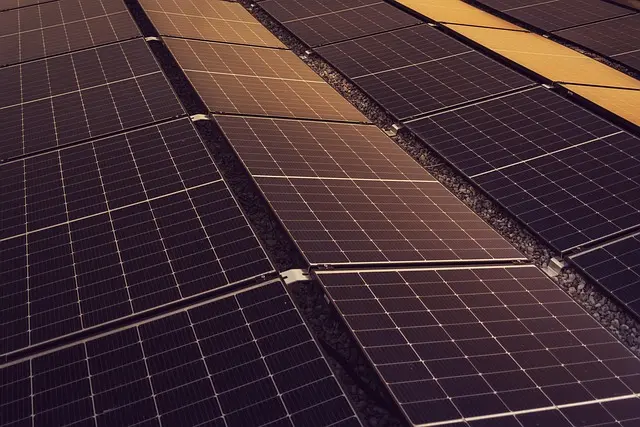
As businesses strive to combat climate change, an increasing number of smart shops are integrating renewable energy sources. Utilizing solar panels has emerged as a popular choice, with retailers reporting up to 50% savings on energy bills. This trend not only aligns with environmental goals but also enhances operational efficiency. For instance, a retail chain in California has successfully incorporated solar energy systems across its locations, generating enough power to operate entirely off-grid during peak sunlight hours. In 2026, approximately 30% of smart shops are expected to rely largely on renewable energy, making this a defining trend of the current retail era.
Moreover, transitioning to renewable energy sources fosters resilience against fluctuating energy prices, ensuring stable operational costs in the long run.

Trend 2: Sustainable Product Sourcing
The shift toward sustainable product sourcing is prominently seen in smart shops. Consumers are increasingly inclined to support brands that prioritize ethical sourcing. Many smart shops are partnering with local suppliers and artisans, thereby reducing transportation emissions and supporting local economies. In 2026, data shows that smart shops leveraging local products have experienced a sales growth of around 20% compared to those reliant on conventional suppliers.
Additionally, sourcing sustainable goods often leads to positive marketing narratives. For instance, a smart shop highlighting its partnership with local organic farms not only underscores its commitment to sustainability but also creates compelling storytelling that resonates with consumers. This aspect of sustainable practices is critical, as consumers are more likely to purchase products that they feel good about — an advantage for smart shops aiming to boost customer loyalty.
Trend 3: Waste Reduction Initiatives
Another significant trend among smart shops is the ramp-up of waste reduction initiatives. Many establishments are adopting strategies such as reusable packaging and in-store recycling programs. For example, a survey conducted by Les Numériques revealed that nearly 65% of consumers appreciate stores that promote the use of reusable bags and containers. Smart shops implementing this practical approach not only lessen their waste but also nurture a culture of sustainability among their shopper base.
In 2026, various smart shops have implemented trial programs for a circular economy. These programs encourage customers to return used packaging and receive discounts for their efforts, promoting a sustainable shopping cycle. Therefore, these insights suggest that waste reduction initiatives can contribute significantly to both environmental preservation and customer satisfaction.
Trend 4: Digital Solutions for Sustainability
Technological advancements have played a pivotal role in enhancing sustainable practices in smart shops. By leveraging data analytics, retailers can monitor their energy usage, manage inventory smarter, and optimize logistics. With the integration of IoT (Internet of Things) devices, these shops can gather real-time data to ensure that resources are utilized efficiently.
For example, smart shelving that tracks how often items are sold can help minimize food waste by ensuring perishable products are sold before expiration. As per recent findings, implementing digital solutions has led to a 25% reduction in waste among smart shops. This trend signifies that merging technology with sustainable practices is not just beneficial but essential for successful retail operations in 2026.
Trend 5: Educating Consumers on Sustainability
Lastly, educating consumers about sustainable practices is becoming a major trend in smart shops. Many retailers are investing in customer engagement initiatives that inform shoppers about the benefits of sustainable products and practices. Workshops, interactive displays, and educational materials are increasingly common. According to a report published by 60 Millions de Consommateurs, stores that actively educate their customers see a 15% increase in repeat business.
Smarter shops are not just selling products; they are promoting a more sustainable consumer culture. This proactive approach enables consumers to make informed choices that align with their environmental values.
Checklist before Shopping at a Smart Shop
- [ ] Research the store's sustainability practices.
- [ ] Look for eco-friendly product certifications.
- [ ] Consider purchasing local products.
- [ ] Ask staff about recycling or waste reduction programs.
- [ ] Evaluate packaging options available in the store.
Glossary
| Terme | Définition |
|---|---|
| Smart Shop | Retail store integrating technology to enhance shopping experience. |
| Circular Economy | An economic system aimed at eliminating waste through continual use of resources. |
| Renewable Energy | Energy sourced from natural resources that replenish naturally over time. |
> 📺 For more insights: Check out videos on YouTube about sustainable practices in retail to understand how these trends are shaping consumer choices.
Quiz rapide
> 🧠 Quiz rapide : What is a primary benefit of using renewable energy in smart shops?
> - A) Higher operational costs
> - B) Lower sustainability ratings
> - C) Cost savings on energy bills
> Réponse : C — Transitioning to renewable energy sources can significantly lower energy costs, supporting overall sustainability goals.
In conclusion, the rise of sustainable practices in smart shops reflects a larger evolution within the retail sector. As businesses increasingly focus on sustainability, the potential for both positive environmental impact and enhanced customer loyalty becomes clear. Embracing these practices not only prepares smart shops for the future but also enriches the shopping experience for customers.
Discover smart solutions and sustainable products in our selection made just for you. Check them out below!
📺 Pour aller plus loin : sustainable practices in retail 2026 sur YouTube
Recommended products
Selected by our experts
ISO 20400: Principles of Sustainable Procurement
Alison US CA
This resource provides a comprehensive understanding of sustainable procurement principles, essential for smart shops aiming to enhance their practices.