Table of Contents (15 sections)
In the evolving landscape of retail, smart shopping trends are at the forefront of transforming how consumers engage with their purchases. These trends leverage technology to enhance user experience, efficiency, and satisfaction. As we delve into 2026, several key trends stand out, shaping the future of shopping.
1. Personalized Shopping Experiences
The rise of personalization in smart shopping is more than just a passing trend. As companies like Amazon and Walmart utilize advanced algorithms and machine learning to analyze consumer behavior, they can tailor shopping experiences uniquely to each individual. According to a study by McKinsey, over 70% of consumers expect personalized interactions from brands.
This trend can manifest in various ways, such as customized product recommendations, targeted marketing, and personalized online shopping interfaces. For example, Zalando, a prominent fashion retailer, uses AI to analyze user preferences and tailor curated wardrobe selections for shoppers. This ability not only improves customer satisfaction but also drives sales, as personalized recommendations boost conversion rates significantly.
Analysis of Personalization
The focus on personalization not only enhances the shopping experience but also promotes loyalty. As consumers receive recommendations that suit their preferences, they are more likely to return. Brands should invest in data analytics and AI technologies to remain competitive in this growing market segment.
2. Augmented Reality (AR) Shopping
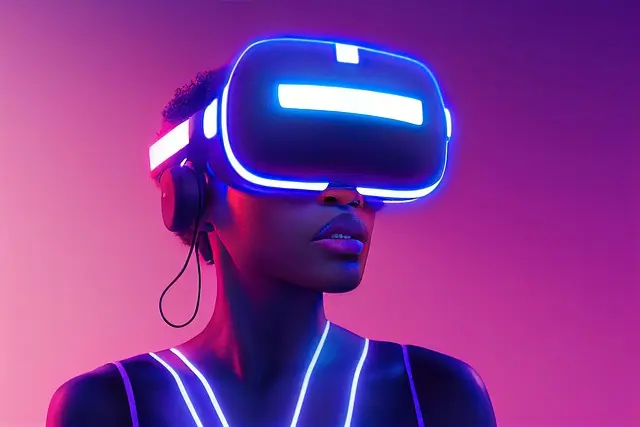
Augmented Reality (AR) is taking smart shopping to a new level, providing immersive experiences that bridge the gap between digital and physical shopping. Retailers like IKEA and Sephora have already implemented AR, allowing customers to visualize products in their space or try on cosmetics virtually. In fact, Statista reports that the AR market in retail is projected to reach $20 billion by 2026.
Furthermore, AR apps enhance customer engagement by providing interactive experiences. Customers can explore products as if they were in-store, leading to an informed purchasing decision. For example, L’Oreal’s AR technology enables users to apply makeup virtually, ensuring they make the right choice before buying.
Importance of AR in Shopping
As AR technology continues to evolve, its potential to reshape traditional shopping is immense. Retailers will need to invest not only in AR applications but also in the associated marketing strategies that highlight these innovations. Incorporating AR could lead to a more engaged, loyal customer base willing to explore new products.
Smart Shopping Spot CD Slot Car Mount, Universal Car Mount For Tablet, Phone Holder For Smartphone CD Slot Car Mount, Universal Car Mount For Tablet,
inspireuplift.com
Smart Shopping Spot Adjustable Tablet Car Mount Holder, Cup Holder Base For Tablets In Car With Heavy Duty Design Adjustable Tablet Car Mount Holder,
inspireuplift.com
Smart Shopping Spot Car Dashboard Tablet Holder, Suction Mount For Tablets Car Dashboard Tablet Holder, Suction Mount For Tablets
inspireuplift.com
3. Sustainability in Retail
Sustainability is no longer just a trend; it has become a cornerstone of smart shopping practices. Consumers are increasingly concerned about the environmental and social impact of their purchases. According to Nielsen, 73% of global consumers are willing to change their consumption habits for the sake of the environment.
Retailers are responding by adopting sustainable practices, such as using eco-friendly materials, ensuring ethical supply chains, and offering recyclable or reusable packaging. Brands like Patagonia and Unilever are pioneers in this domain, leading the way in creating sustainable product lines and transparent sourcing practices.
Sustainability Trends in 2026
Embracing sustainability not only attracts environmentally-conscious consumers but also strengthens brand loyalty. Retailers that prioritize sustainability in their business model will likely see a positive impact on their reputation and bottom line. As consumers become more informed, brands that fail to adopt sustainable practices may find themselves at a disadvantage.
4. Contactless and Digital Payments
The shift toward contactless payments has accelerated, particularly in response to the global pandemic. According to Visa, more than 50% of transactions in the U.S. are now contactless. This convenience drives consumer preference for digital wallets and contactless payment methods, such as Apple Pay and Google Pay.
Smart shoppers value speed and efficiency, and the ability to complete a purchase without physical interaction supports this demand. Retailers must ensure that they offer multiple payment options, including up-and-coming fintech solutions that promise security and ease of use.
Future Predictions for Digital Payments
The digital payment landscape will only continue to evolve with the integration of cryptocurrencies and blockchain technologies. Retailers must stay informed about these developments to provide innovative payment solutions that meet their customers' expectations.
5. Social Commerce Trends
Social media platforms are evolving into retail powerhouses, with platforms like Instagram and TikTok integrating shopping features directly into their user experience. Research from eMarketer suggests that social commerce sales are projected to reach $1.2 trillion by 2026, indicating a major shift in how consumers discover and buy products.
Brands leveraging these platforms can effectively engage with customers through shoppable posts, influencer partnerships, and targeted advertising. By creating visually appealing and authentic content, retailers can capitalize on the impact of social proof and drive online sales.
Analyzing Social Commerce Impact
As social media continues to play a critical role in retail, brands must focus on creating engaging content that resonates with their target audience. This shift represents an opportunity to connect with customers in innovative ways, ultimately driving loyalty and increasing sales.
📺 Resource Video
For further insights: A deep dive into the latest smart shopping technologies and how they’re changing consumer behavior. Search on YouTube: "smart shopping trends 2026".
Smart Shopping Spot Women Sheer Lace Top Slim Fit Long Sleeve Round Neck Undershirt For Spring Casual Streetwear khaki l
inspireuplift.com
Smart Shopping Spot Anime Car Decoration Accessories, Big Long Hair Hot Stamping Dot Dice Plush Toy Cube Pendant, Auto Pendant pink
inspireuplift.com

Los Angeles Apparel RLH3405 - Embellished Leather Shopping Bag
losangelesapparel.net
Glossary
| Term | Definition |
|---|---|
| Personalization | Tailoring products and communication to individual consumer preferences. |
| Augmented Reality | Interactive technology that overlays digital information onto the physical world. |
| Social Commerce | Selling products directly through social media platforms. |
Checklist before Shopping
- [ ] Check for personalized recommendations
- [ ] Explore AR capabilities if shopping for decor or makeup
- [ ] Research sustainability practices of brands
- [ ] Use digital payment options for convenience
- [ ] Engage with social media content for product insights
Conclusion
Staying ahead of smart shopping trends is essential for both consumers and retail brands. By understanding and adapting to these trends, you can enhance your shopping experience and maximize your purchasing decisions for 2026 and beyond.
📺 Pour aller plus loin : smart shopping trends 2026 sur YouTube
Recommended products
Selected by our experts

Bellroy Market Tote Plus Large Foldable Shoulder Shopping Bag Copper - Copper
bellroy.com

Bellroy Market Tote Plus Large Foldable Shoulder Shopping Bag Hot Sauce - Hot_sauce
bellroy.com


Bellroy City Tote Compact Foldable Shoulder Shopping Bag Burgundy - Burgundy
bellroy.com

Bellroy City Tote Compact Foldable Shoulder Shopping Bag Hot Sauce - Hot_sauce
bellroy.com
Uplifted Trends Breathable Zero Pressure Cervical Neck Pillow Washable TPE Latex Support For Neck Pain Relief no Pillowcase
inspireuplift.com