Table of Contents (11 sections)
Automation is reshaping various industries, and smart shops are no exception. With advancements in technology, automation in smart shops significantly enhances operational efficiency and improves customer experiences. This article delves into the complexities of how automation is applied in smart shops, offering insights into its benefits, implementation processes, comparisons with traditional methods, and a look at the current trends shaping this domain.
What is Automation in Smart Shops?
Automation in smart shops refers to technological solutions designed to streamline workflows, reduce manual tasks, and enhance the overall shopping experience. This includes a range of technologies from self-checkout kiosks to inventory management systems integrated with AI. The goal is to improve efficiency, lower operational costs, and provide a seamless customer experience.
One compelling statistic underscores the growth of automation: a study by McKinsey shows that automation could eliminate 30% of hours worked in retail by 2030. This trend is being driven by consumer expectations for faster and more personalized service. Smart shops are adopting automation technologies to meet these demands while staying competitive in an increasingly crowded retail landscape.
Benefits of Automation: Enhancing Operations and Customer Experiences
Implementing automation in smart shops leads to significant operational advantages. For example, retailers report reductions in labor costs, increased accuracy in inventory management, and improved customer satisfaction. By automating routine tasks, employees can focus on decision-making and customer service, which enhances the value proposition for customers.
Moreover, automation technologies facilitate a more personalized shopping experience. Smart shops are leveraging data analytics to tailor services according to individual customer preferences. For instance, automated recommendation engines analyze purchase histories to suggest relevant products, making the shopping journey more engaging. According to Salesforce, 70% of consumers express a preference for purchasing from brands that offer personalized experiences. This not only boosts sales but also fosters customer loyalty.


Drop Dash Deals Screen Clip Phone Mount, Universal Smartphone Holder Screen Clip Phone Mount, Universal Smartphone Holder
inspireuplift.com
How to Implement Automation in Your Smart Shop: A Step-by-Step Guide
- Assess Your Current Operations: Identify tasks that are time-consuming and prone to error. This could involve inventory management, customer service, or checkout processes.
- Research Relevant Technologies: Look for solutions that align with your operational needs. Options might include AI-driven chatbots for customer service, automated stock replenishment, or mobile payment systems.
- Pilot Testing: Before a full rollout, conduct pilot testing to evaluate the effectiveness of selected automation tools. Engage employees in the process for feedback.
- Training Staff: Invest in proper training for your team to ensure they can effectively use new technologies. Employee adaptability is crucial for successful automation.
- Monitor Performance: After implementation, continuously monitor performance metrics to measure efficiency gains and customer satisfaction.
Through effective implementation, smart shops can seamlessly integrate automation into their operations, optimizing both workflow and customer experiences.
Comparing Automation Options: What Works Best for Your Smart Shop?
When evaluating different automation technologies, it’s vital to consider their strengths and weaknesses. The table below compares three common automation solutions used in smart shops:
| Feature | Self-Checkout Systems | AI-Driven Inventory Management | Mobile Payment Solutions |
|---|---|---|---|
| User-Friendliness | High (Intuitive interface) | Moderate (Requires setup) | High (Familiar technology) |
| Cost of Implementation | Moderate (Initial investment) | High (Complex integration) | Low (Minimal setup costs) |
| Operational Efficiency | High (Saves labor costs) | High (Reduces stockouts) | Moderate (Speeds up checkout) |
| Customer Satisfaction | High (Faster service) | Moderate (Less stock issues) | High (Convenience of payment) |
Current Trends and Future Outlook in Smart Shops
As we move further into 2026, several trends in the automation of smart shops are emerging. One notable trend is the increased integration of Internet of Things (IoT) devices, allowing for real-time data collection and analysis. For instance, smart shelves can track inventory levels and notify management of replenishment needs automatically, significantly streamlining operations.
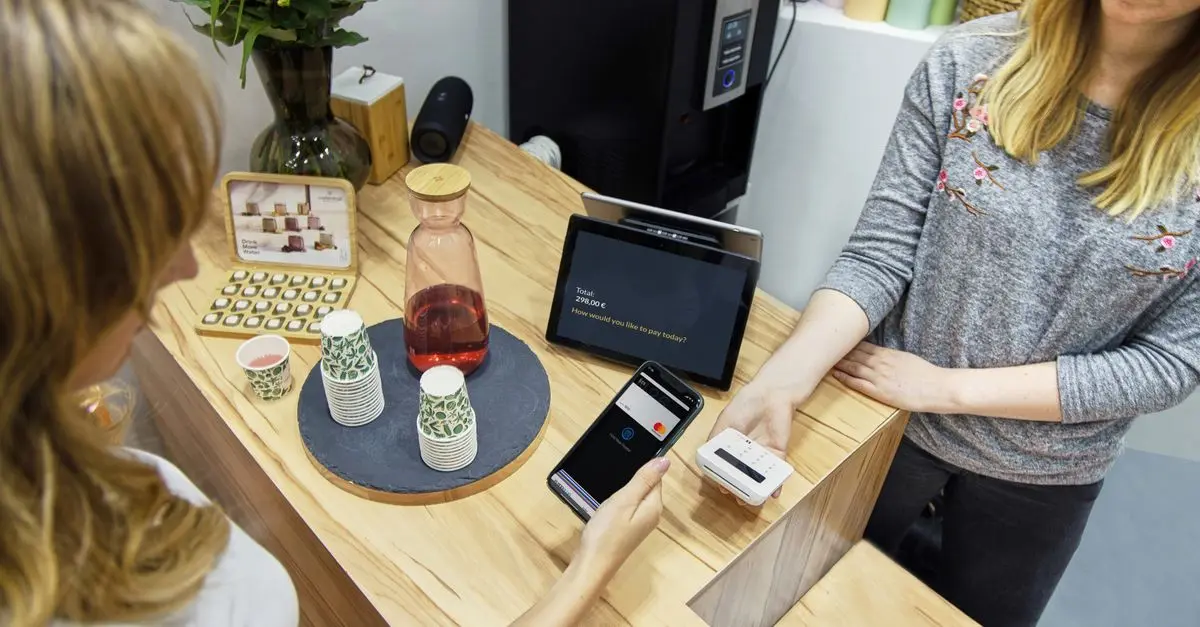
Additionally, the shift towards a contactless shopping experience is becoming more prevalent. Innovations such as mobile scanning apps or biometric payment systems are gaining traction as consumers prefer safer and more convenient payment methods. The ongoing pandemic has accelerated this trend, driving smart shops to prioritize hygiene while enhancing customer experience.
Finally, sustainability is increasingly influencing automation choices in smart shops. Many retailers are focusing on energy-efficient solutions that not only reduce operational costs but also appeal to environmentally conscious consumers. According to a report from Statista, 55% of consumers are willing to change their shopping habits to reduce environmental impact, driving smart shops to adopt greener technologies.
📺 Resource Video
> 📺 For further understanding: Check out “The Future of Retail: Embracing Smart Shop Automation”, an enlightening analysis of the trends shaping automation in smart shops. Search on YouTube: smart shop automation 2026.

WHALL - 2 Slice Toaster, Toasters 2 slice, Smart Bread Toaster, Touchscreen Toaster wide slots - Stainless Steel
bestbuy.com

Smart Smartphone Case - For Samsung Galaxy XCover6 Pro Smartphone - Black
bestbuy.com

MOVO - PR-1 Smartphone Grip Handle Rig - Compatible with Most Smartphones
bestbuy.com
Checklist Before Implementing Automation
- [ ] Assess current workflow and identify inefficiencies
- [ ] Research suitable automation technologies
- [ ] Conduct pilot testing before full implementation
- [ ] Train staff on new technologies
- [ ] Monitor customer feedback and performance metrics
Glossary
| Term | Definition |
|---|---|
| Automation | The use of technology to perform tasks with minimal human intervention. |
| Smart Shops | Retail establishments employing advanced technology to enhance customer experience and operational efficiency. |
| AI-Driven | Utilizing artificial intelligence to analyze data and automate processes. |
Expert Opinion 💡
> Automation is not just about technology; it's about redefining how we interact with our customers. Embracing innovative solutions can lead to unprecedented efficiencies and satisfaction.
As smart shops navigate the rapid evolution of retail, the integration of automation will remain a cornerstone of their strategy. Automating processes not only saves time but also, importantly, enhances customer experiences. In a competitive environment, staying ahead means harnessing the benefits of automation effectively.
Explore Product Recommendations
To get started on your automation journey, we have selected several products suitable for enhancing your smart shop operations. Discover our recommendations below.
📺 Pour aller plus loin : smart shop automation 2026 sur YouTube
Recommended products
Selected by our experts

Movo PR-1 Smartphone Grip Handle Rig - Compatible with Most Smartphones black
shop.simon.com