Table of Contents (18 sections)
The retail landscape is rapidly evolving, driven by innovations in smart shop technologies. These advancements are not just about convenience; they are reshaping the way consumers interact with brands and make purchasing decisions. By integrating technology, stores are enhancing customer experiences and improving operational efficiency. In this article, we will explore the latest trends that are defining the future of smart shops and how these tools are transforming retail.
1. Artificial Intelligence and Personalization
Artificial Intelligence (AI) is at the forefront of smart shop technologies, changing how businesses interact with customers. Retailers are leveraging AI to analyze shopping habits, preferences, and behaviors to create personalized experiences. For instance, brands utilize AI algorithms to suggest products based on past purchases, browsing history, and even social media activity.
Importance of AI in Retail
According to a study by McKinsey, personalized shopping experiences can boost sales by up to 10%. This trend is also evident in e-commerce, where 76% of consumers expect tailored experiences when shopping online. Retailers adopting AI into their operations can predict stock needs accurately, ultimately enhancing customer satisfaction. As we move forward, AI will be integral in driving growth and innovation within smart shops.
2. Contactless Payment Solutions
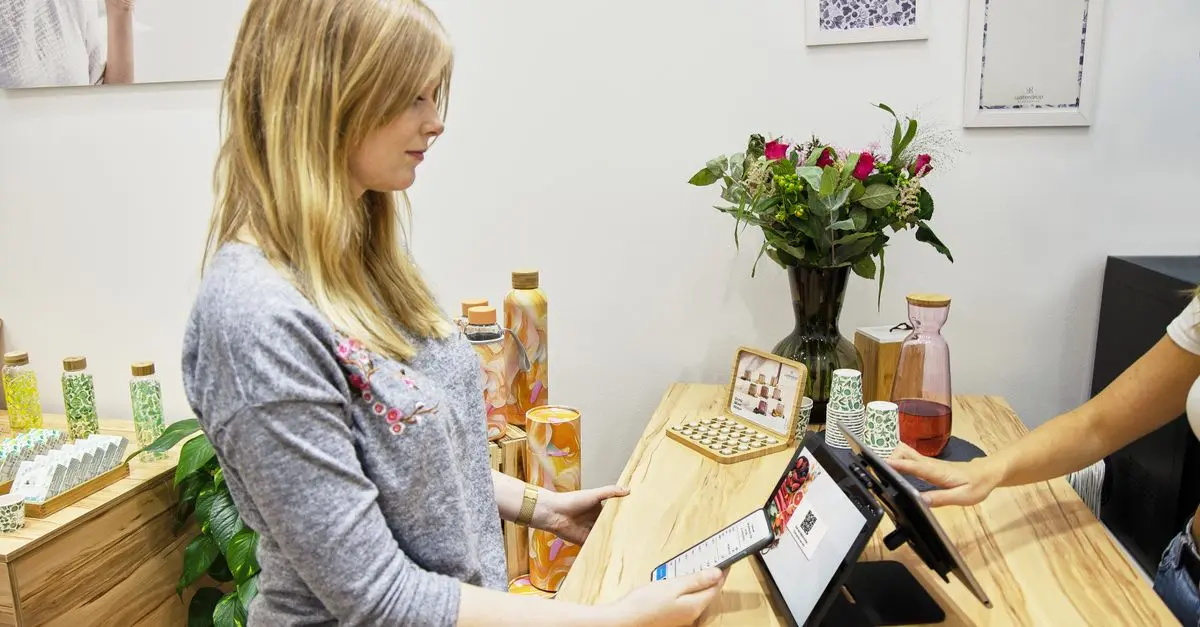
The pandemic accelerated the shift towards contactless payments, with consumers seeking safer, more convenient transaction methods. Solutions such as mobile wallets, QR code payments, and NFC technology have emerged as vital components of the smart shop experience. By minimizing physical contact, retailers not only enhance safety but also streamline the buying process.
Advantages of Contactless Payment
Data from Statista indicates that the global mobile payment market is projected to reach over $4 trillion by 2026. Retailers can reduce checkout times and improve the shopping experience, encouraging more customers to visit their stores. Forward-thinking retailers are investing in these technologies to ensure they remain competitive, thus attracting a broader customer base eager for speed and safety.


invisaWear Technologies Corporation Safety Classic Keychain - Gold Flower
sharperimage.com

Argon Technologies Inc., dba Klymit Rightline Gear Memory Foam Camp Pillow - Green - Large
sharperimage.com
3. Inventory Management Automation
One of the significant challenges in retail is maintaining optimal inventory levels while reducing costs. Smart shop technologies now provide solutions for automating inventory management. By using IoT sensors and RFID technology, retailers can track inventory in real time, minimizing overstock and stockouts.
The Role of Automation
According to the National Retail Federation, retailers that adopt automation show a 30% reduction in operational costs and an increase in efficiency. Automation allows for timely reordering of stock, reduces human errors, and ensures that the right products are available at the right time. In an ever-competitive market, such efficiencies become a significant advantage.
4. Augmented Reality (AR) Shopping Experiences
Augmented reality is revolutionizing the shopping experience by allowing customers to visualize products in their real-world environment before buying. Smart mirrors, AR apps, and virtual fitting rooms help provide customers with a more engaging shopping experience.
Enhancing Consumer Engagement
A report from Gartner noted that by 2026, more than 100 million consumers will be using AR to shop online. Retailers that incorporate AR technologies are effectively reducing returns and increasing consumer satisfaction by enabling customers to make informed purchasing decisions. The immersive experience aids in building brand loyalty and enhances customer engagement.
5. Sustainable Smart Shop Practices
Eco-conscious consumers are driving a demand for sustainability in retail. Smart shop technologies now facilitate practices that reduce waste and enhance sustainability. From eco-friendly packaging to energy-efficient store designs, retailers are becoming more responsible.
The Future is Green
Research by Deloitte reveals that 52% of consumers are willing to pay more for sustainable brands. By integrating sustainable practices into their operations, retailers can attract eco-conscious customers and position themselves favorably in a market increasingly focused on environmental concerns. Technologies enabling efficient energy use and waste reduction are key in this transformation.
6. Enhanced Customer Analytics
In the digital age, understanding customer behavior is critical for any retail business. Smart shop technologies enable businesses to collect and analyze vast amounts of data regarding customer interactions, preferences, and feedback.
Leveraging Data for Strategic Decisions
According to IBM, companies using advanced analytics can outperform their competitors in retention rates by up to 5%. Retailers can find hidden patterns in customer behavior and make informed strategic decisions based on real data. The rise in analytics tools signifies a shift towards data-driven decision-making, which will continue to shape the retail environment.
Drop Dash Deals Screen Clip Phone Mount, Universal Smartphone Holder Screen Clip Phone Mount, Universal Smartphone Holder
inspireuplift.com

WHALL - 2 Slice Toaster, Toasters 2 slice, Smart Bread Toaster, Touchscreen Toaster wide slots - Stainless Steel
bestbuy.com

7. People-Centric Shopping Innovations
All these technologies point towards a singular goal: enhancing the customer experience. Retailers now prioritize human-centric innovations that align with customer needs and preferences. This approach can involve creating community spaces within stores, offering events or services, and improving staff training.
Fostering Authentic Connections
Businesses focusing on community-driven shopping experiences tend to build stronger relationships with their customers. According to PwC, 32% of customers say they would be more inclined to make a repeat purchase after interacting with a brand representative positively. A people-centric approach should be integral to any retailer's strategy moving forward.
📺 Resource Video
For a deeper insight into these trends, check out: [The Future of Retail: Technologies to Watch], an analysis of emerging technologies reshaping the retail landscape. Search on YouTube for: "latest innovations in smart shop technologies."
Checklist before Implementation
- [ ] Assess current technology infrastructure
- [ ] Identify customer pain points
- [ ] Research available smart shop technologies
- [ ] Train staff on new systems
- [ ] Monitor performance metrics post-implementation
Glossary
| Terme | Définition |
|---|---|
| Smart Shop Technologies | Technologies that enhance the retail experience through automation, analytics, and personalization. |
| Augmented Reality (AR) | Technology that overlays digital information on the real world, enhancing the shopping experience. |
| Inventory Management Automation | Automated processes that manage stock levels, orders, and inventory tracking efficiently. |
---
📺 Pour aller plus loin : latest innovations in smart shop technologies sur YouTube
Recommended products
Selected by our experts

Smart Smartphone Case - For Samsung Galaxy XCover6 Pro Smartphone - Black
bestbuy.com

MOVO - PR-1 Smartphone Grip Handle Rig - Compatible with Most Smartphones
bestbuy.com

Movo PR-1 Smartphone Grip Handle Rig - Compatible with Most Smartphones black
shop.simon.com