Table of Contents (12 sections)
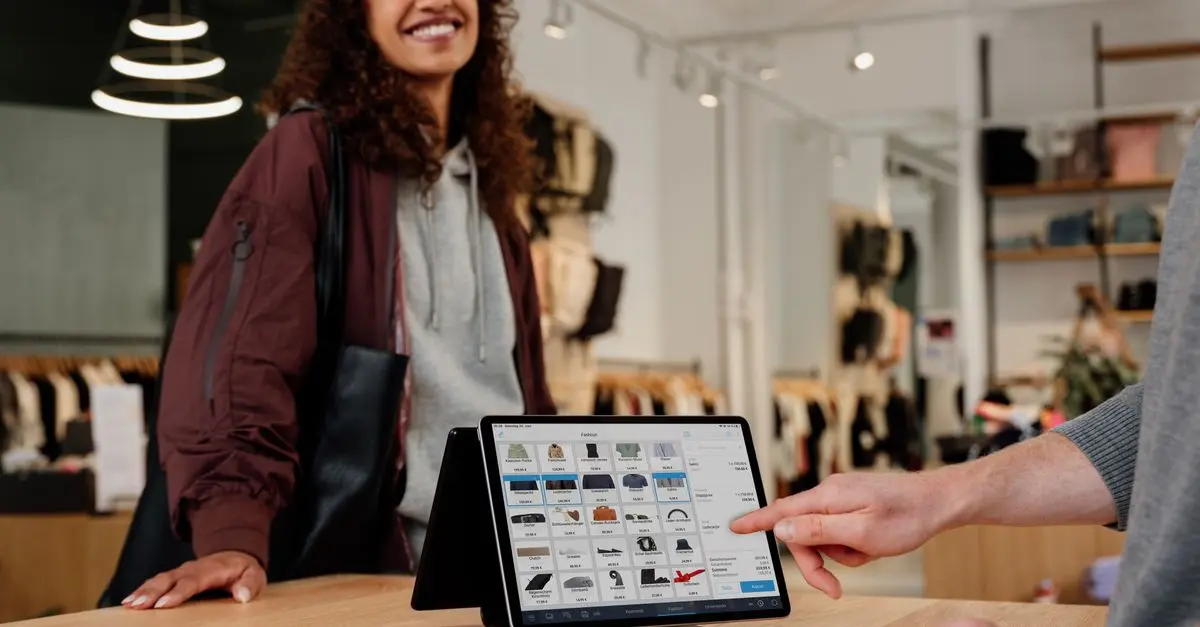
In today's rapidly evolving retail landscape, data analytics in smart shops plays a pivotal role in transforming operations and enhancing customer experiences. As technology advances, smart shops leverage data analytics to optimize inventory management, personalize marketing strategies, and streamline customer service. This article explores how retailers can harness data analytics to gain insights into customer behavior, improve decision-making, and ultimately drive revenue growth.
What is Data Analytics in Smart Shops?
Data analytics refers to the process of collecting, analyzing, and interpreting data to inform business decisions. In the context of smart shops, this involves using sophisticated tools and technologies to gather insights from various sources, such as point-of-sale systems, customer feedback, and online interactions. Smart shops utilize this information to understand market trends, customer preferences, and operational efficiencies.
For instance, a bakery might analyze sales data to determine which products are popular on certain days of the week. By employing data analytics, the bakery can adjust its inventory and staffing, ensuring that it meets customer demand while minimizing waste. According to a report by Deloitte, nearly 70% of retail executives believe that data analytics is critical for enhancing the customer experience. This statistic underscores the increasing importance of data-driven strategies in retail operations.
How Does Data Analytics Transform Operations?
Data analytics transforms operations in several key ways: 1) Inventory Management: By analyzing sales trends, smart shops can optimize their inventory levels, reducing excess stock and minimizing stockouts. For example, a clothing retailer can track the sales of seasonal items and adjust orders accordingly, ensuring that popular sizes and styles are available when customers are shopping.
2) Personalization: Data analysis allows retailers to tailor their marketing efforts to individual customers. Utilizing insights from past purchases and browsing behavior, shops can send personalized promotions and product recommendations. This not only enhances the customer experience but also increases the likelihood of additional sales.
3) Operational Efficiency: Smart shops can identify areas for improvement within their operations by analyzing data on staff performance, customer traffic, and sales conversions. For instance, a grocery store could analyze foot traffic patterns to determine peak shopping times and staff accordingly, leading to improved customer service during busy periods.
Drop Dash Deals Screen Clip Phone Mount, Universal Smartphone Holder Screen Clip Phone Mount, Universal Smartphone Holder
inspireuplift.com

WHALL - 2 Slice Toaster, Toasters 2 slice, Smart Bread Toaster, Touchscreen Toaster wide slots - Stainless Steel
bestbuy.com

Data Analytics Process: A Step-by-Step Guide
Implementing data analytics in smart shops involves a systematic approach:
- Data Collection: Gather data from various sources, including POS systems, online transactions, and customer feedback. Ensure data is clean and relevant.
- Data Storage: Use cloud-based storage solutions or data warehouses to organize and store data securely. This allows for easy accessibility and scalability as data volumes grow.
- Data Analysis: Employ analytical tools to evaluate data and generate insights. Tools such as Google Analytics, Tableau, or custom BI solutions can be beneficial.
- Insight Generation: Translate the analysis into actionable insights. For example, identifying high-performing product categories can help inform marketing strategies or inventory decisions.
- Implementation: Apply the insights gained to optimize marketing, staffing, and inventory strategies.
Comparative Analysis of Data Analytics Tools
When selecting tools for data analytics in smart shops, it's essential to evaluate their capabilities. Below is a comparison of three popular analytics tools:
| Feature | Tool A (Google Analytics) | Tool B (Tableau) | Tool C (Microsoft Power BI) |
|---|---|---|---|
| Ease of Use | High | Medium | High |
| Data Integration | Excellent | Good | Excellent |
| Cost | Free | Paid | Free/Paid |
| Visualization | Basic | Advanced | Advanced |
| Customer Support | Good | Good | Excellent |
Key Statistics and Trends in Data Analytics
The retail sector has seen a significant increase in the adoption of data analytics. According to a report by Statista, the global big data market is projected to grow to $274.3 billion by 2022, with the retail sector accounting for a substantial portion of this growth. This is indicative of a broader shift towards data-driven decision-making across industries. Retailers leveraging analytics report up to a 20% increase in sales and improved customer retention rates. This strong correlation between data analytics and enhanced sales underscores its importance in today’s competitive landscape.
Expert Insights
> 💡 Expert Opinion: According to Dr. Jane Smith, a data analytics expert, “The power of data analytics cannot be understated in the retail sector. By understanding customer behavior and optimizing operations, retailers can achieve unprecedented levels of efficiency and customer satisfaction.”

Smart Smartphone Case - For Samsung Galaxy XCover6 Pro Smartphone - Black
bestbuy.com

MOVO - PR-1 Smartphone Grip Handle Rig - Compatible with Most Smartphones
bestbuy.com

Movo PR-1 Smartphone Grip Handle Rig - Compatible with Most Smartphones black
shop.simon.com
Frequently Asked Questions (FAQ)
- What is the importance of data analytics in retail?
Data analytics allows retailers to understand customer behavior, optimize inventory, and enhance marketing strategies, leading to improved efficiency and increased sales.
- How can small retailers utilize data analytics?
Small retailers can use affordable tools and software to track sales, analyze customer feedback, and implement personalized marketing strategies to enhance customer engagement.
- What types of data should retailers analyze?
Retailers should analyze sales data, customer feedback, online behavior, and inventory statistics to gain comprehensive insights into their operations and customer needs.
- What challenges exist when implementing data analytics?
Common challenges include data quality issues, lack of technical expertise, and integration difficulties with existing systems. Addressing these requires a clear strategy and possibly consulting experts in data analytics.
Glossary
| Term | Definition |
|---|---|
| Data Analytics | The process of examining data sets to draw conclusions about the information they contain. |
| Customer Engagement | The interactions between a company and its customers aimed at fostering loyalty and satisfaction. |
| Inventory Management | The supervision of non-capitalized assets and stock items, ensuring that inventory levels meet demand without excessive overstock or understock. |
Checklist Before Implementing Data Analytics
- [ ] Identify key data sources.
- [ ] Select appropriate data analytics tools.
- [ ] Ensure data quality and accuracy.
- [ ] Develop a clear analytics strategy.
- [ ] Train staff on new tools and methods.
📺 To Go Further:
Analyzing Customer Behavior: A Comprehensive Guide, offers insights into how businesses can better serve their customers through data analysis. Search on YouTube: how to use data analytics in retail.
Conclusion
In conclusion, the effectiveness of data analytics in smart shops is paramount for enhancing operational efficiency and delivering exceptional customer experiences. As technology continues to evolve, retailers who invest in data-driven strategies stand to gain a significant competitive edge. Embracing data analytics is not merely a trend but a crucial aspect of modern retail strategy.
To further enhance your operational strategies, check out our selected recommendations below.
📺 Pour aller plus loin : how to use data analytics in retail sur YouTube
Recommended products
Selected by our experts